
Somatic exercises for the hips help improve flexibility and mobility while releasing long-held tension and stiffness stored deep in the muscle. Over the years, I’ve noticed how the hips act as a gateway between the body and emotions, quietly holding pent-up and unprocessed feelings. This connection is often acknowledged in yoga and somatic practices where hip-opening poses create a safe space to release these stored emotions.
Doing these powerful yet gentle exercises is both healing and engaging, like a slow dance that helps you shake off habitual bracing or repressing of stress and trauma. I recall how an experienced instructor described this as a way to truly hear yourself, your body’s story of pain and growth. When you dedicate time to this work, it’s like likening your hips to a metaphor for life’s challenges and joys. This practice serves your entire well-being, making you feel good about what you’ve worked so hard to improve.
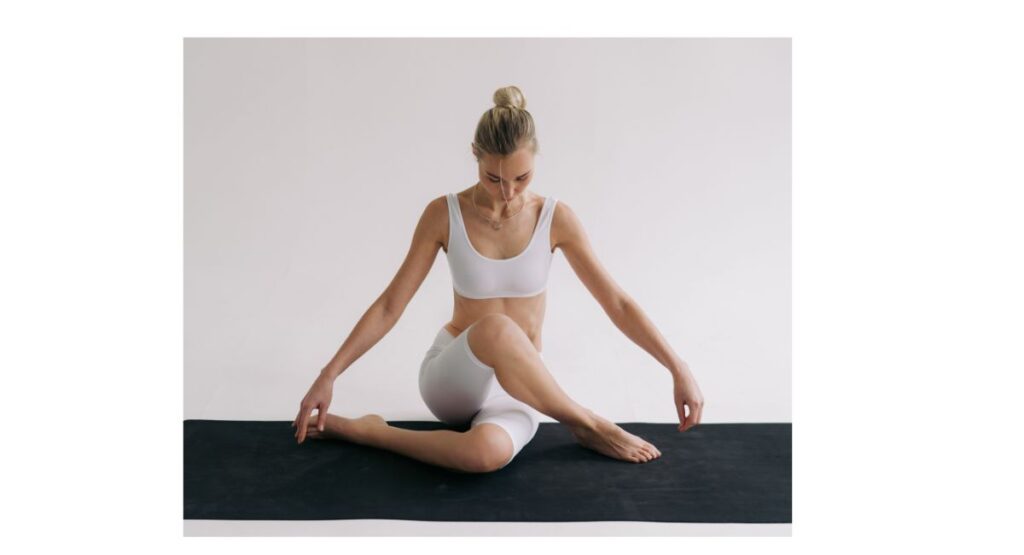
Exploring the Link Between Hip Health and Emotional Well-being:
The relationship between our hips and emotions is a fascinating part of the mind-body connection. The psoas muscle, a deep group of muscles around the pelvis, lumbar spine, and hip, plays a key role in this. When the body perceives a stressor or threat, the fight-or-flight sympathetic system activates, flooding the brain and body with hormones. This causes physiological changes like rapid, shallowing breathing, muscular tension, and a primed state for survival. The hips often tighten and contract during these moments, trapping unresolved stress and trauma in the muscles and connective tissue.
This autonomic response is an instinctual process designed to protect us, but when stressors become chronic, the hips can remain in a habitual, tight, and stiff state. This leads to discomfort, pain, and even headaches or migraines. Many people live sedentary lives, causing the psoas major and surrounding muscles to stay contracted for long periods. The storage of emotional reactions like fear, anger, or resentment in this area has been documented by research, linking hip tightness to emotional blockages and unprocessed feelings.
In my experience teaching somatic and yoga hip-opening exercises like Pigeon Pose and Lizard Pose, I’ve seen how breathwork, meditation, and movement can help release this stored trauma. These practices help expand the diaphragm, encourage fluidity, and bring a sense of freedom and lightness to the hips. The sacral chakra, associated with creativity and relationships, often feels more open after these sessions. The gentle shaking and wobbly movements during somatic work create a safe, supportive space to express pent-up emotions and allow the body to heal naturally.
This deep connection between hip health and emotional well-being shows that caring for our body means caring for our emotions too. Whether it’s the quickened heart after hearing bad news, or the tension from daily stressors like traffic or family conversations, our hips reflect what we feel inside. By using somatic tools and hip-opening movements, we can nurture ourselves and build resilience, creating not just physical flexibility, but emotional zest and pleasure in life.
Decoding the Causes of Ongoing Hip Pain:
Chronic hip pain can feel like it’s coming out of nowhere, but often it’s the result of repeated habits—like long hours of sitting, driving your car, or standing unevenly while playing golf or tennis. These patterns lead to tight hips, shoulder strain, and tension in the trunk, with pressure on the spine, knees, and ankle. When the body tries compensating, it affects the fascia, and issues like bursitis, sciatica, plantar fasciitis, or tendonitis can show up. I’ve seen clients struggling with mid spine clicks, unaware that their Achilles, pelvis, and even back pain were linked to old movement patterns.
Using somatic movements like pandiculation, we can gently bring awareness to the reflex cycles like the Red Light Reflex and Green Light Reflex. These techniques focus on contracting and releasing specific muscles, helping the system regain balance and reduce excess tightness. I always suggest moving slowly, with modifications if needed—especially after injuries, sprains, or falls. Even a baby instinctively stretches with intention; we just forget how. Practicing in a yoga space or home, with effective, relaxing, detox stretches, not only supports strength building but gives the body a chance to reset. I’ve witnessed clients feel lighter, more stable, and free to move again.
Releasing Stored Emotions in the Hips Through Somatic Exercises:
Many people carry stored emotions like fear, sadness, and stressors deep in the hips, often without realizing it. These feelings can create tightness, discomfort, and a constant sympathetic nervous system response. When the psoas and surrounding muscles stay tight, it can limit movement, disturb circulation, and block the flow of energy. Using somatic techniques helps bring awareness to these pathways and softens habitual patterns. This process supports emotional healing by allowing the body to relax and begin to feel safe.
Somatic exercises encourage gentle exploration of the body map through breathwork, movement, and observation. Focusing attention on areas of restriction allows people to scan the body and notice subtle sensations. These non-habitual movements support releasing deeply held tension and foster a deeper connection between the mind and body. Engaging the parasympathetic system helps reduce anxious responses and supports relaxation. Over time, these techniques promote soothing, rest-and-digest responses and relieve emotional tightness in the hip area.
Practices like hip openers, breath, and mindful motion offer an effective way to access pent-up feelings and bring relief to the muscles and nervous system. By using curiosity, calming cues, and intuitive modifications, the body learns to reconnect and let go of old emotional patterns. The result is a more open, relaxed, and balanced posture. Through regular practice in a quiet yoga space, these movements re-train both physical and emotional responses. This gentle dialogue between body and brain creates lasting comfort and emotional freedom.
Top 7 Somatic Hip Exercises for Better Mobility and Emotional Release:
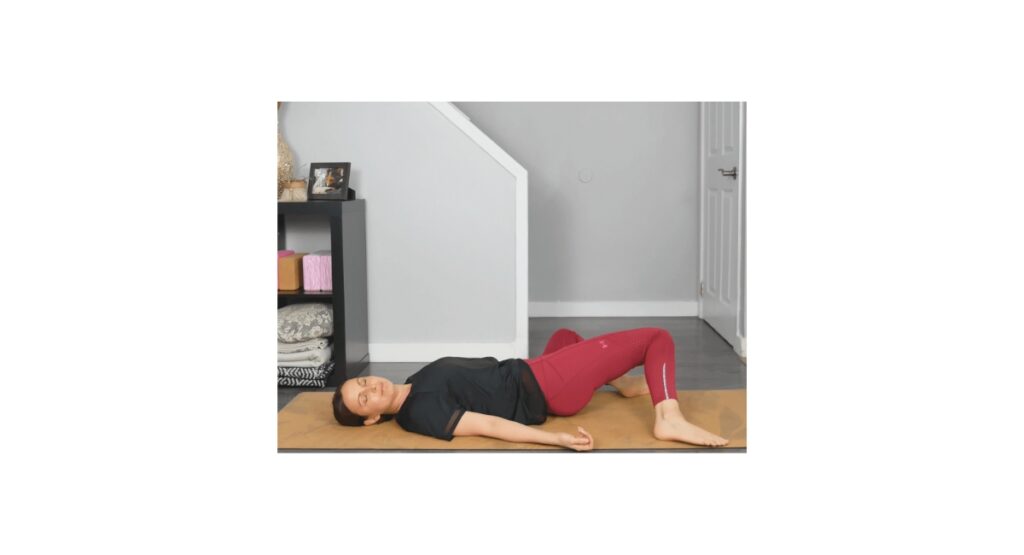
1. Windshield Wiper the Knees
This exercise gently loosens the hips by moving the knees side to side while keeping the pelvis stable. It promotes spinal mobility, releases tension in the hips, and fosters awareness of subtle movement patterns important for hip health.
How to:
- Lie on your back with knees bent and feet flat on the floor.
- Extend your arms out to the sides in a cactus position for shoulder stability.
- Slowly allow both knees to fall gently toward one side while keeping your pelvis grounded.
- Pause briefly, feeling the stretch and noticing any sensations in the hips and lower back.
- Return knees to the center and repeat on the opposite side.
- Move slowly, using your breath to guide the pace, inhaling as knees return to center, exhaling as they fall to the side.
- Complete 8–10 gentle repetitions each side.
2. Moving Bridge
This dynamic bridge strengthens the hip flexors, lower back, and core muscles while promoting lengthening of the spine and pelvis. Synchronizing breath with movement aids relaxation and circulation.
How to:
- Lie on your back with knees bent, feet flat, and arms resting by your sides.
- Inhale deeply, pressing through your feet to lift your pelvis and sternum off the mat.
- Keep your shoulders grounded and engage your hips and core muscles.
- Hold briefly at the top, feeling the stretch in the hip flexors and lengthening of the spine.
- Exhale slowly as you lower your pelvis and spine back down to the mat.
- Repeat this lifting and lowering movement 10–12 times, moving gradually and mindfully.
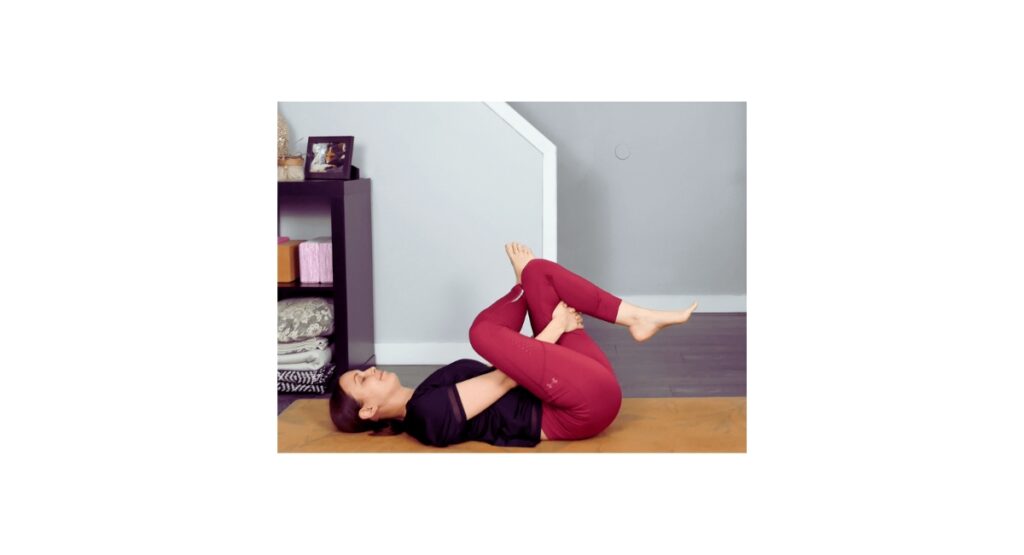
3. Reclined Pigeon Pose
This stretch targets the glutes and hamstrings and helps release tension and emotional stress stored in the hips. The rocking motion combined with breathwork enhances relaxation and nervous system balance.
How to:
- Lie flat on your back with knees bent.
- Cross your right ankle over the left thigh, just above the knee, creating a figure-four shape.
- Interlace your fingers behind the left thigh and gently pull the left leg toward your chest.
- Rock your legs side to side slowly, syncing movement with your breath.
- Hold the stretch while breathing deeply and allowing the hips to soften.
- After 30 seconds to 1 minute, switch sides and repeat.
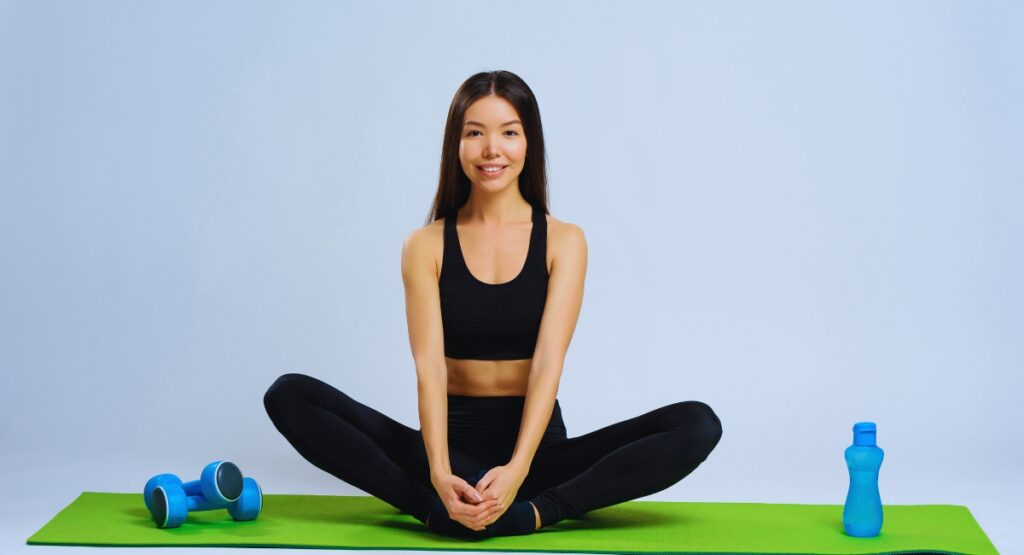
4. Butterfly Pose with Spinal Undulations
Combining hip opening with spinal movement, this pose enhances flexibility and fluidity. Sitting cross-legged with support promotes stillness while gentle spinal waves release tension and increase body awareness.
How to:
- Sit on the floor with soles of feet together, knees dropping outward.
- Use a folded blanket or cushion under the hips for comfort and support.
- Place your hands on your feet or shins, sitting tall with a straight spine.
- Inhale deeply, then as you exhale, gently curl your spine forward, rounding your back.
- On the next inhale, extend your spine back to an upright position.
- Continue this wave-like spinal undulation for 8–10 breaths, moving slowly and mindfully.
5. Knee Circles in Tabletop Position
Knee circles improve hip socket mobility and core engagement while supporting balance and coordination. Changing circle sizes stimulates joint lubrication and eases stiffness.
How to:
- Begin on all fours with hands under shoulders and knees under hips.
- Lift your right knee slightly off the mat.
- Slowly draw small circles with your right knee in one direction, keeping the pelvis steady.
- Gradually increase the size of the circles while maintaining control and breath rhythm.
- After 10 circles, reverse direction.
- Lower the right knee and repeat the same process with the left knee.
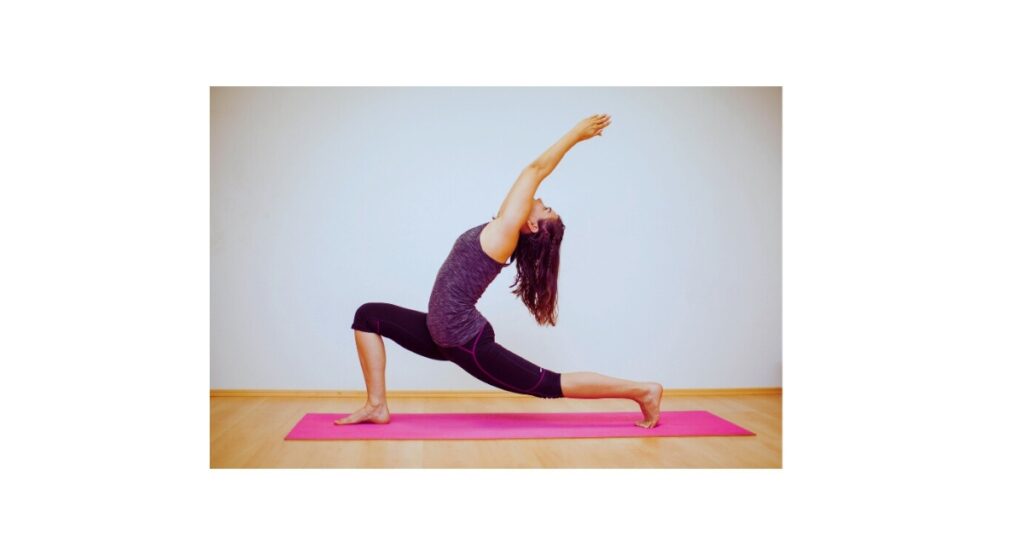
6. Low Lunge with Breath Awareness
This deep stretch targets hip flexors and the psoas muscle, relieving chronic tension. Breath awareness integrated into movement helps retrain tightness and supports emotional calmness.
How to:
- Start in a tabletop position, then step your right foot forward between your hands.
- Lower your left knee to the mat and raise your torso upright.
- Reach your arms overhead while keeping your chest open and spine long.
- Inhale deeply, lengthening through the spine, then exhale and fold forward slightly to deepen the stretch.
- Maintain steady, slow breathing while holding the pose for 5–8 breaths.
- Repeat on the opposite side.
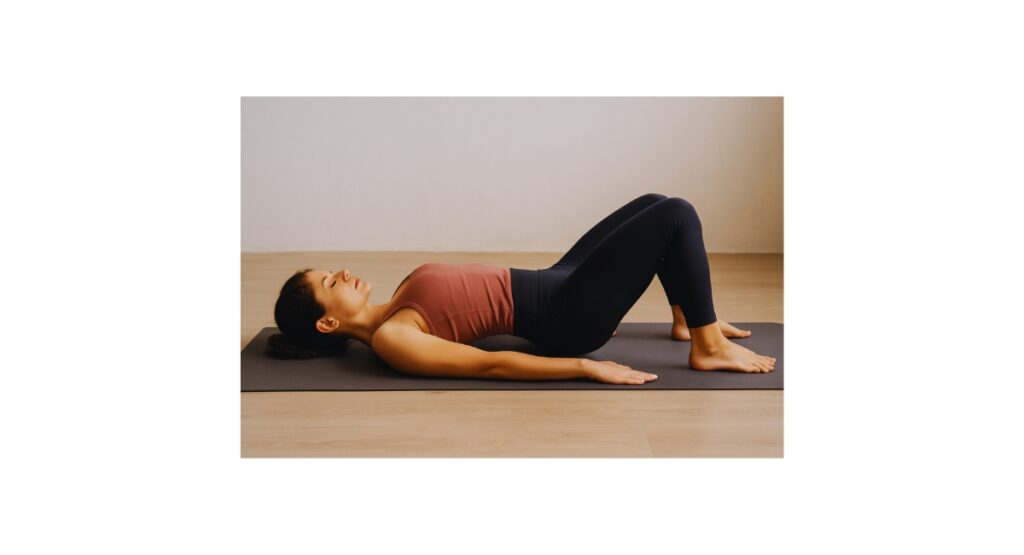
7. Pelvic Tilts for Emotional Release
Pelvic tilts gently rock the pelvis, activating the lower back and hips to release stored tension. This movement encourages nervous system regulation and supports emotional processing.
How to:
- Lie on your back with knees bent and feet flat on the floor, hip-width apart.
- Slowly tilt your pelvis backward, pressing your lower back into the floor.
- Then tilt your pelvis forward, creating a slight arch in your lower back.
- Coordinate this movement with your breath — inhale while tilting backward, exhale while tilting forward.
- Move gently, exploring the sensations in your hips and lower back.
- Perform 10–15 slow, mindful tilts.
Wrapping Up:
Many people subconsciously clench or hold tension around the hips, storing repressed emotions like sad, anger, or fear. As children, we were often discouraged from expressing deep feeling, facing ridicule, disregard, or being called a “scaredy cat.” Over time, this sends strong messages to the brain that emotions are unsafe, triggering a constant fight-or-flight response. The psoas muscle—located in the front hips—tightens, holding accumulated stress and suppressing what the body can no longer express. This creates physical blocks and reflex patterns like the red light reflex, often leading to chronic hip pain.
Using somatic movements based on somatic principles, we begin to address these deep layers of tension. With consistent practice, we learn to reduce tension, release lingering emotions, and regain comfort through gentle, thoughtful shifts. In my own practice, I’ve seen how incorporating somatics can be a game changer—helping people feel safe, seen, and supported. My Move With Ease online course and in-person workshop offer real-time tools, guided by an expert teaching team, to support this journey. It’s about more than just the hips—it’s about healing, trusting yourself, and enjoying life again with comfort, balance, and a sense of inner peace.
FAQs:
What are somatic hip exercises?
Somatic hip exercises involve slow, gentle movements that bring awareness to the hips and nearby areas. These mindful practices aim to ease tension while creating a deeper connection between the physical and emotional body. Rather than focusing on appearance, the emphasis is on internal sensation and release of held trauma or stress. Through controlled and intentional movement, they support improved body awareness and emotional well-being.
What is the most effective hip exercise?
Several effective hip exercises target both strength and flexibility. Here are eight of the best:
- Hip circles – improve control and flexibility.
- Squats – work multiple lower body muscles.
- Side lunges – also called lateral lunges; enhance balance and mobility.
- Banded walk – strengthens hips with resistance.
- Side-lying leg lifts – focus on outer hip strength.
- Fire hydrant – activates the glutes and hips.
- Step-ups with weights – build strength and stability.
- Jump squats – add power and explosiveness to hip training.
What is the best exercise for arthritis in the hips?
For hip arthritis, the most helpful exercises are low-impact movements that support strength, flexibility, and heart health without making the pain worse. Good options include:
- Walking – gentle and easy to adjust in pace.
- Swimming – reduces joint pressure while strengthening muscles.
- Cycling – builds endurance and keeps hips mobile.
- Bridging – targets the glutes and core.
- Standing hip extension – improves hip strength and control.
It’s important to begin slowly, increase intensity gradually, and always stop if discomfort grows.
What chakra is associated with the hip?
The sacral chakra is the energy center most closely connected to the hips, as well as the lower back, kidneys, and reproductive organs. It influences areas like hormonal balance, emotional healing, and sexual well-being, playing a key role in creativity and overall energy flow in the lower body.
What emotions are held in the hips?
The hips are often seen as an emotional storage center, where unresolved stress, trauma, and suppressed emotions can gather. This emotional buildup may appear as tightness, pain, or discomfort in the hip region. Common emotions held here include:
- Fear
- Anxiety
- Sadness
- Grief
- Anger
- Frustration
- Guilt
- Shame